
01
Understanding windshield chips
Chips are small impact points. Noting their size and location helps you describe them accurately to a professional.
Windshield Care
Small habits and a little awareness go a long way toward keeping your view clear.
01
Chips are small impact points. Noting their size and location helps you describe them accurately to a professional.
02
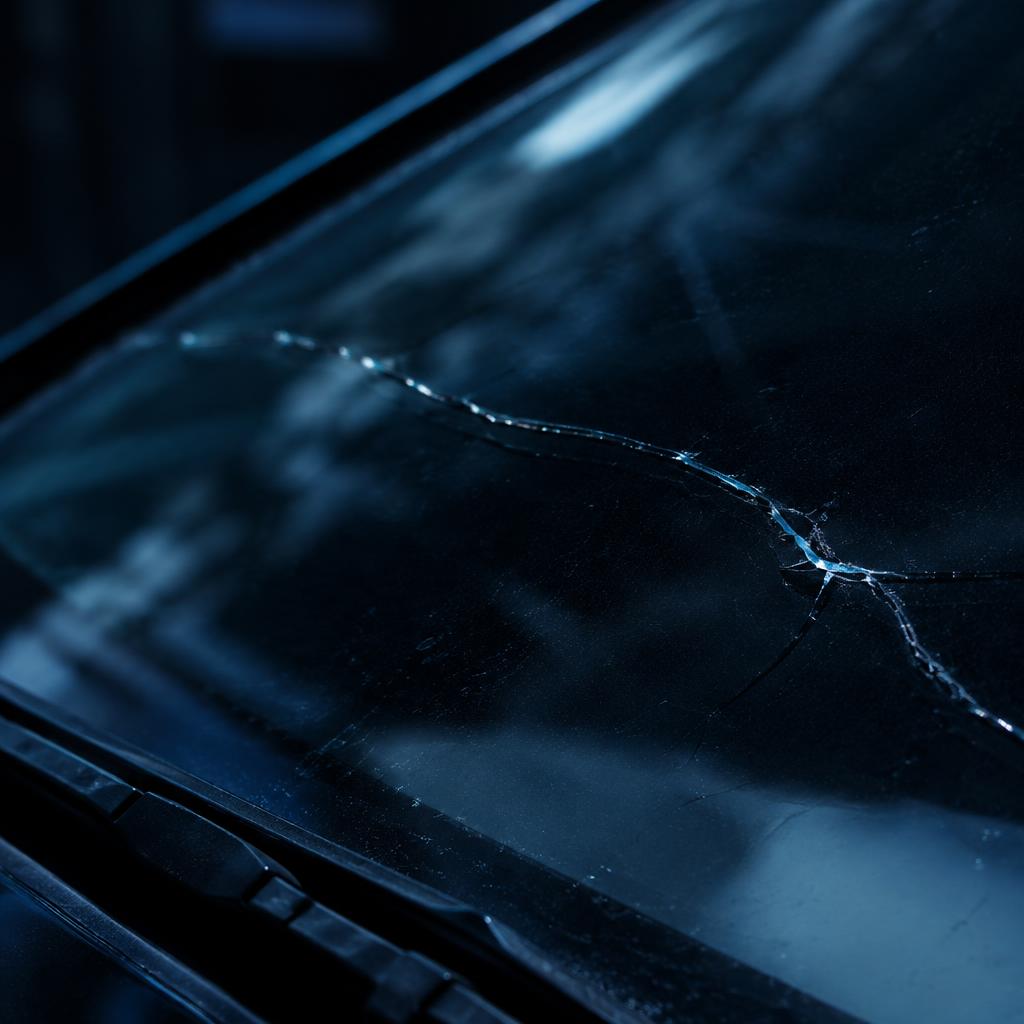
Cracks differ by length, shape, and whether they reach the edge. Each behaves a little differently over time.
03
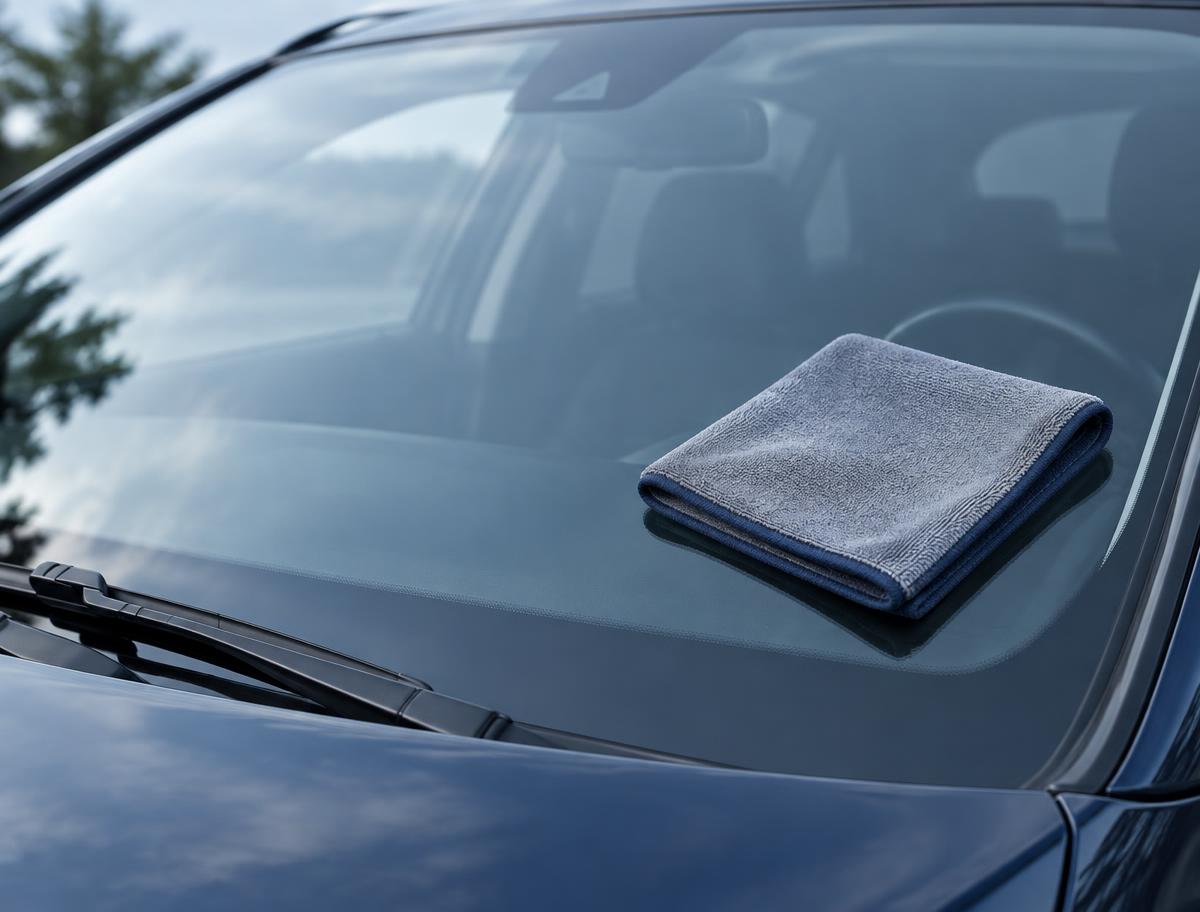
Use a clean microfiber cloth and a glass safe cleaner, inside and out, to reduce haze and glare.

04
Wipe the rubber edge occasionally and watch for streaking, chattering, or skipped areas.
05
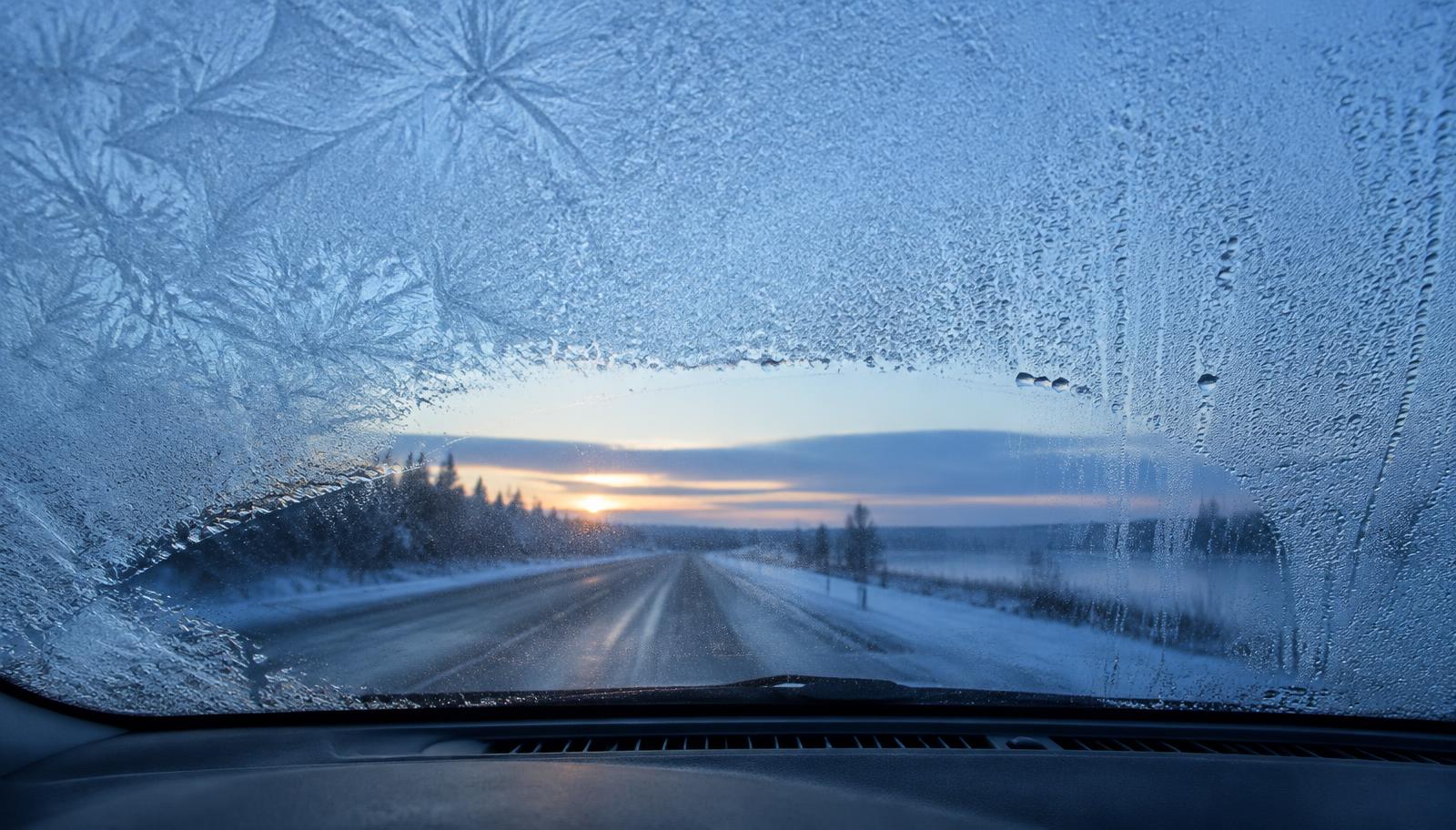
Avoid sudden extreme temperature changes on damaged glass and keep the glass free of grit before wiping.
Windshield Damage
A visual guide to common damage patterns. Select any entry to read more.
This library is general information only. It is not a professional damage diagnosis and does not indicate whether any damage can be repaired.
A circular impact mark with a cone shaped center.
Contributing factors +Often linked to round debris striking the glass head on.
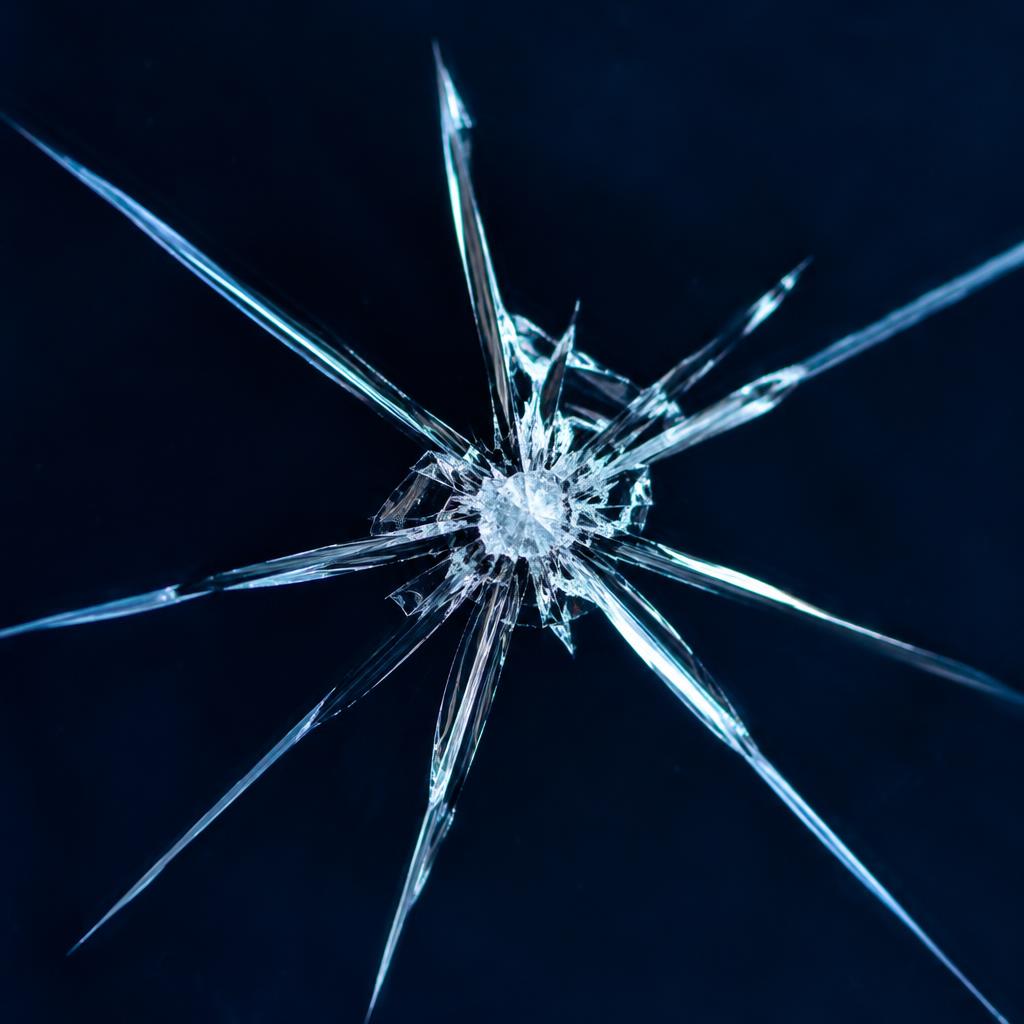
A small impact point with short legs radiating outward.
Contributing factors +Sharper debris and stress in the glass can produce radiating legs.
Shows features of both a bullseye and a star break.
Contributing factors +Impact angle and debris shape together create mixed patterns.
A single line of damage, usually only a few inches long.
Contributing factors +Can begin from a chip that was exposed to vibration or temperature change.
A crack that extends across a larger portion of the glass.
Contributing factors +Ongoing stress from driving, heat, and cold can lengthen cracks over time.
A crack that begins at or near the outer edge of the windshield.
Contributing factors +The edge carries more structural stress, and impacts there can spread quickly.